You will need
- The photographs from one outing
- Small prints, or a screen grid that shows them all at once
- A table or a clear patch of floor
- An hour, and a second look the next day
A sequence is not a list of your best photographs. It is an order in which each picture changes how you read the next. Twelve is a useful limit: enough for a beginning, a middle and an end, few enough to hold in your head.
See everything at once
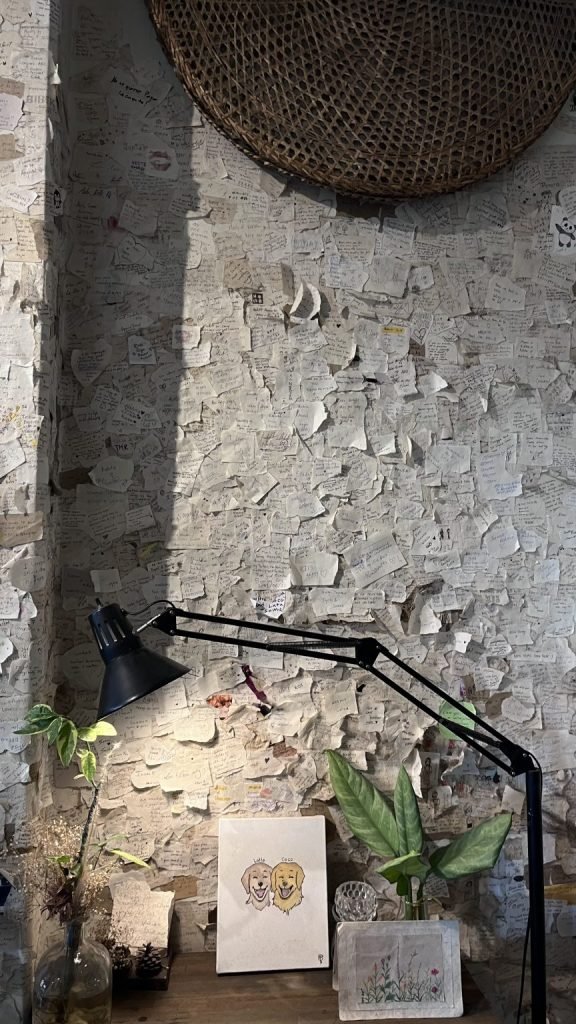
Make small prints or a contact-sheet grid so every frame is visible together. Editing one image at a time hides the relationships between them, and relationships are what a sequence is made of. A desk under a lamp, with the prints propped where you can see them all, is enough.
Make a fast first cut
Remove anything blurred, duplicated or dull at first sight. Do not deliberate. Aim for about thirty frames, then stop for five minutes.
Choose an opening
The first photograph tells the viewer where they are. A wide frame usually works, because it establishes the place before you move closer.
Pace the middle
Alternate wide and close, busy and quiet. When two pictures say the same thing, keep the one that leads better into the next. Repeated shapes and materials can carry the eye from one frame to another.
Sleep on it
Leave the twelve overnight. The next day, replace the one you keep apologizing for. Write the final order in your notebook with the file names, so the sequence survives a crashed drive.