In this guide
You will need
- A sketchbook, a camera or a phone
- One clear day and one overcast or shaded one
- Your drawing journal, if you kept one
Hard and soft are not about how bright the light is. They describe how large the light source appears from where the subject sits. Once you can judge that, you can predict shadows before you see them.
Judge the size of the light source
On a clear day the sun is a small, distant point, so its light is hard. Under cloud the whole sky becomes the source, and the light turns soft. Under trees, leaves break the sky into many openings, which gives you something in between.
Check a shadow edge
Hold your hand a short distance above a pale surface. A crisp outline means hard light; a gradual fade means soft. It takes two seconds and is more reliable than guessing from the sky.
Look at what happens to texture
Hard light arriving from the side exaggerates texture: weathered wood, bark and stone look rougher. Soft light calms texture and shows shape through gentle changes in tone instead.
Choose, don’t fight
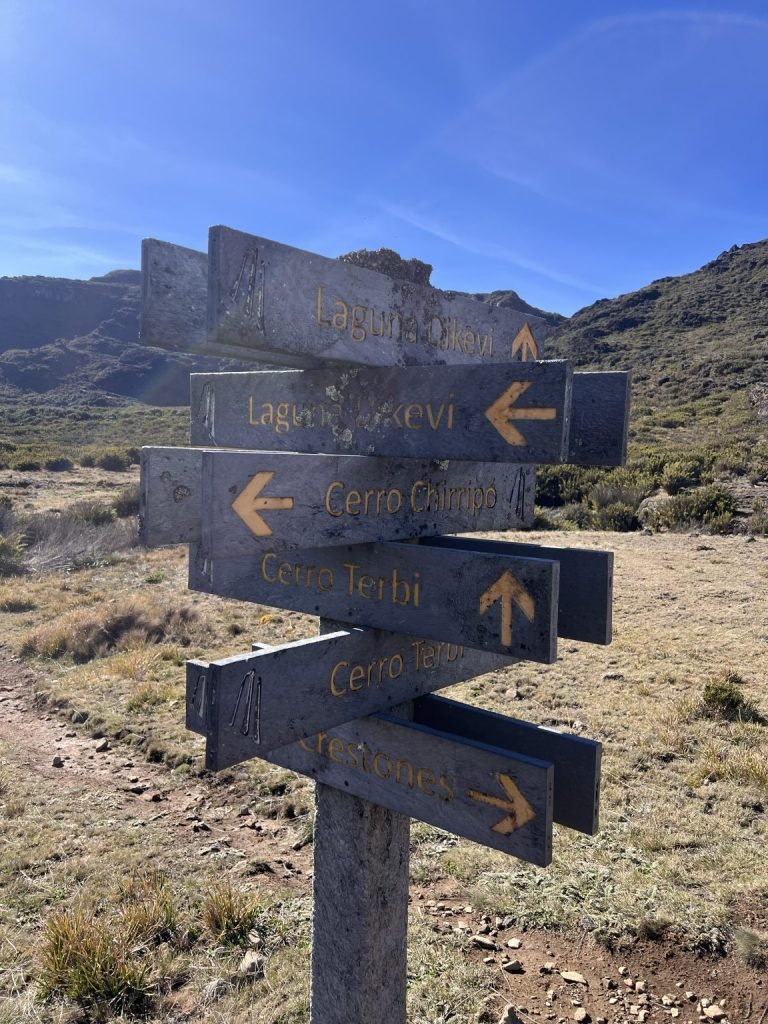
If the light is hard, look for subjects that benefit from strong shapes and clear outlines, such as a wooden signpost with lettered arms. If it is soft, move closer and draw or photograph surfaces. Write down which you chose and why; that sentence is the start of your own rules.