The book came back to its owner three months late and a little heavier, in the way a book gets heavier when someone has been writing in it. I had not meant to. The first mark was a single line beside a sentence I wanted to find again, and after that the pencil simply stayed in the book, like a bookmark that talks.
She noticed straight away. Not the lines, which were faint, but the small ticks in the top corners of pages, which were how I used to mark a page I meant to copy out.1 She asked, kindly, whether I had enjoyed it. I said yes, and then, because the evidence was in her hands, I said which parts.
1 A habit from school: a tick for a page to return to, a cross for one I disagreed with. There were more crosses than I remembered.
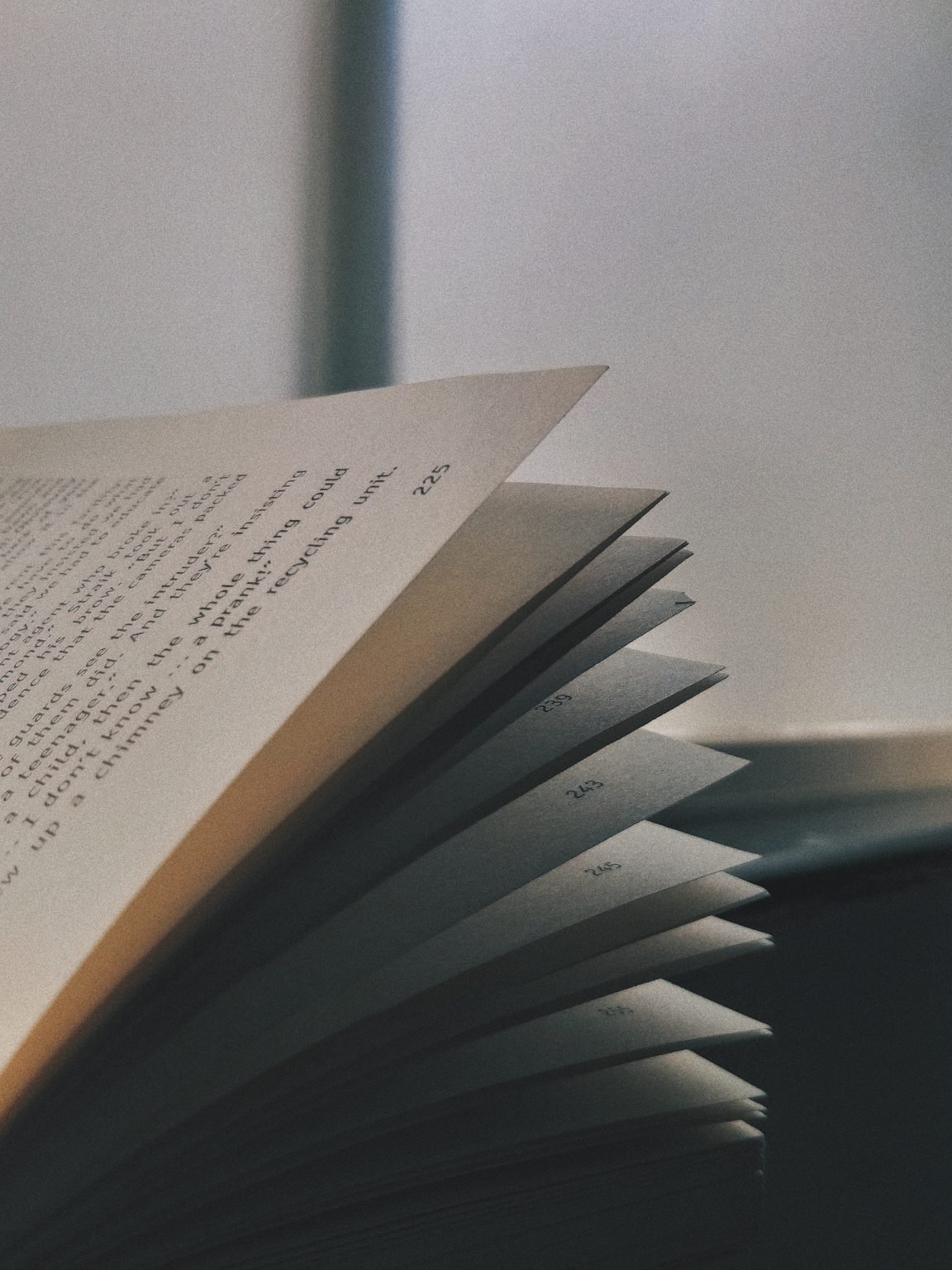
Whose margin is it
A margin is supposed to be the reader’s side of the page. In a borrowed book it belongs to nobody in particular, and writing in it is a small trespass that turns into a conversation if the owner lets it. Mine did. She has since added her own notes beside mine, in ink, disagreeing with two of them.2
2 Ink over pencil is a decision. You can rub pencil out; you cannot argue with ink in the same way.
I would not do it to a library copy. But between friends, a book that goes back and forth with both sets of notes in it has become something neither of us owns alone, which may be the best thing a paperback can become.
Notes and references
- On the long history of readers writing in books, any good account of marginalia will do; this essay leans on none in particular.
- Correction, added later: the book was two months late, not three. Its owner kept count.