There is one chair in the flat that is only for reading. It is not especially comfortable. It is upright, a little narrow, and the colour of mustard, and it sits beside a small table that holds whatever I am reading and nothing else. No phone, no plate, no laptop balanced on the arm.
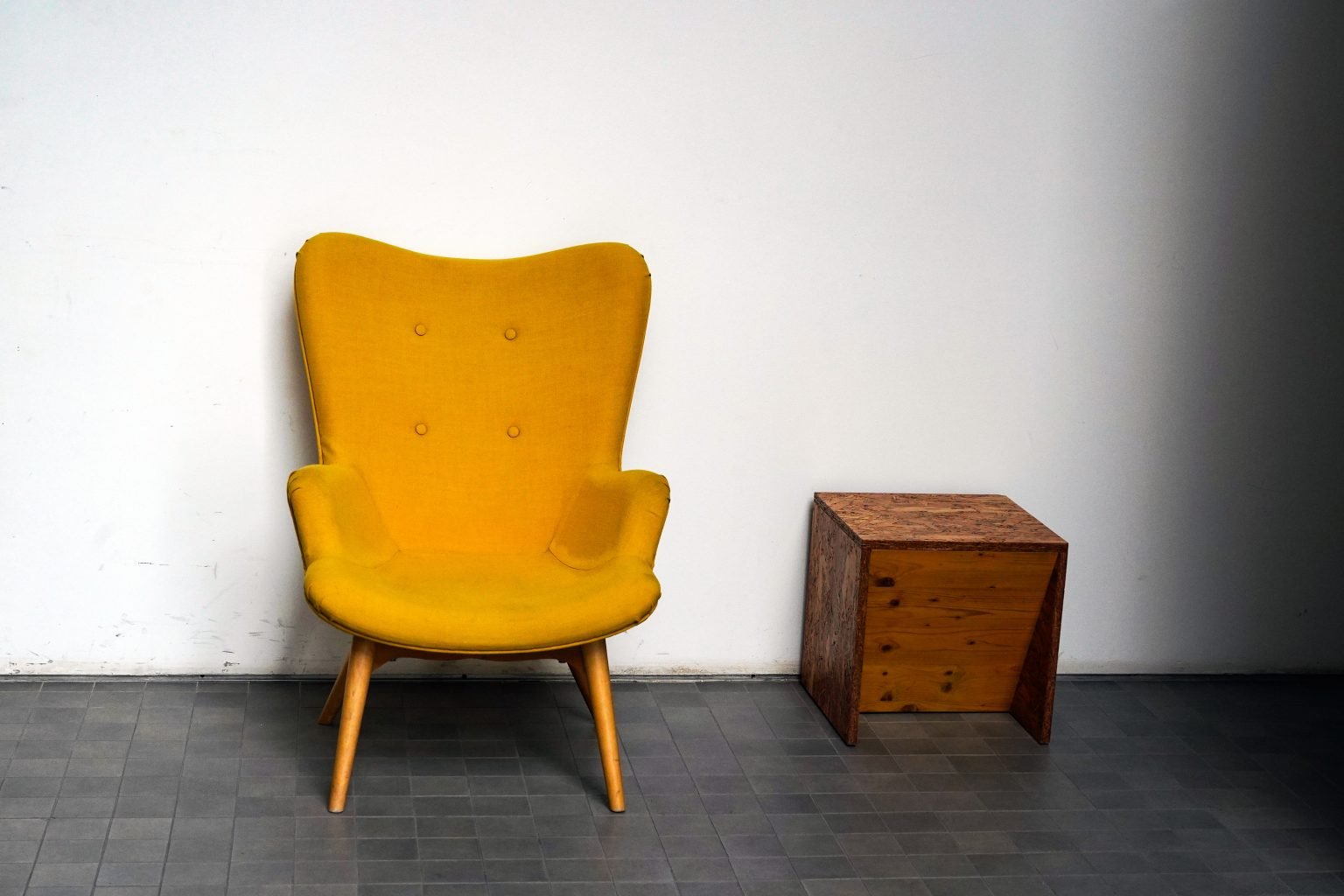
The rule is older than the chair. It started with a kitchen stool, then a borrowed armchair, and the point was never the furniture. The point is that sitting down in that one place tells the rest of the day to wait.1
1 Woolf’s room of one’s own is about money and a lock on the door. This is a much smaller claim: one chair, and a habit attached to it.
The month it failed
In the spring the chair became a desk. There was a deadline, the table was the right height for a laptop, and within a week the chair meant email. I stopped reading in it. I stopped reading much at all, and it took me longer than it should have to notice the two things were connected.
Moving the laptop back to the kitchen fixed it in an evening. The chair is a reading chair again, which is to say it is a reminder, upholstered.2
2 The side table matters as much as the chair. If there is room on it for anything besides a book and a cup, something else will arrive.
Notes and references
- Virginia Woolf, A Room of One’s Own (1929), for the larger argument this essay only borrows a phrase from.